Human action recognition in video: how AI works
Someone bends towards the floor. Are they picking something up, sitting down or losing balance? A single frame supports different interpretations. To distinguish actions, a system needs to observe change.
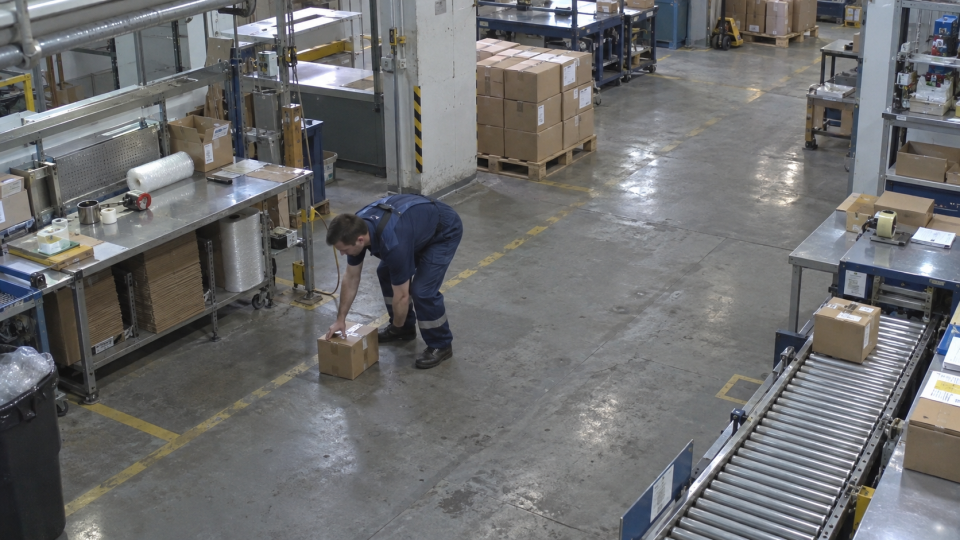 Illustration / Deepvizor
An action involves a sequence of changes. Test the complete episode, rather than a conveniently selected frame.
A pose does not explain an action
Similar body positions can occur in different situations. Seeing a person lower than usual does not establish why they are there. The surrounding frames help explain how they reached that position and what happened next.
Action analysis considers change: body position, direction and interaction with objects. A site workflow adds zone boundaries, duration and the order of observations to determine which episodes need attention.
MoVie: two views of the same action
MoVie combines video features with sequences of body keypoints. Images provide scene context, while keypoint motion captures action geometry. Structural Motion Projection decomposes motion into simpler components. Feature regularisation aligns the signals while preserving visual information, providing complementary appearance and movement representations.
Research approach explained using MoVie: Broaden Your Views with Human Motion for Action Detection.
Test the whole episode
Checking only the alert frame can conceal why an error occurred. Keep the beginning, the event and a short continuation. This helps distinguish the target action from a similar movement.
Define the event before the pilot. Lingering requires zone boundaries and an allowed duration; leaving a post requires a work area and absence conditions. A clear rule gives engineers and operators the same basis for judging footage.
Include similar everyday actions
Alongside target events, test ordinary movements: bending, stopping, turning and carrying objects. Include partial occlusions, workwear and distant people.
Challenging examples reveal camera limitations and rules that need refinement. If machinery hides most of a person, review camera coverage before changing event thresholds.
Give the recipient useful context
An alert should identify the camera, time, event type and supporting video. A shared dashboard makes it easier to review observations across devices and administer them consistently.
After validation, connect email, messenger integrations or enterprise systems through JSON API. A speaker or relay can provide a configured on-site response. Decide who receives each event and what action is expected.
Can one frame distinguish a fall from bending down?
Similar poses occur in different actions. A frame sequence helps check how motion begins and how the episode continues. A pilot needs target events as well as ordinary bending, stopping and handling objects.
Relevant scenarios and hardware
Explore these scenarios and devices to define a pilot task and configuration.
Explore the detector library and Deepvizor hardware.